
The results of the Supreme Council in Astana mark the transition to sovereign compliance
The twelfth anniversary of the signing of the founding treaty establishing the Eurasian Economic Union coincided with a period of tectonic shifts in the global financial system.
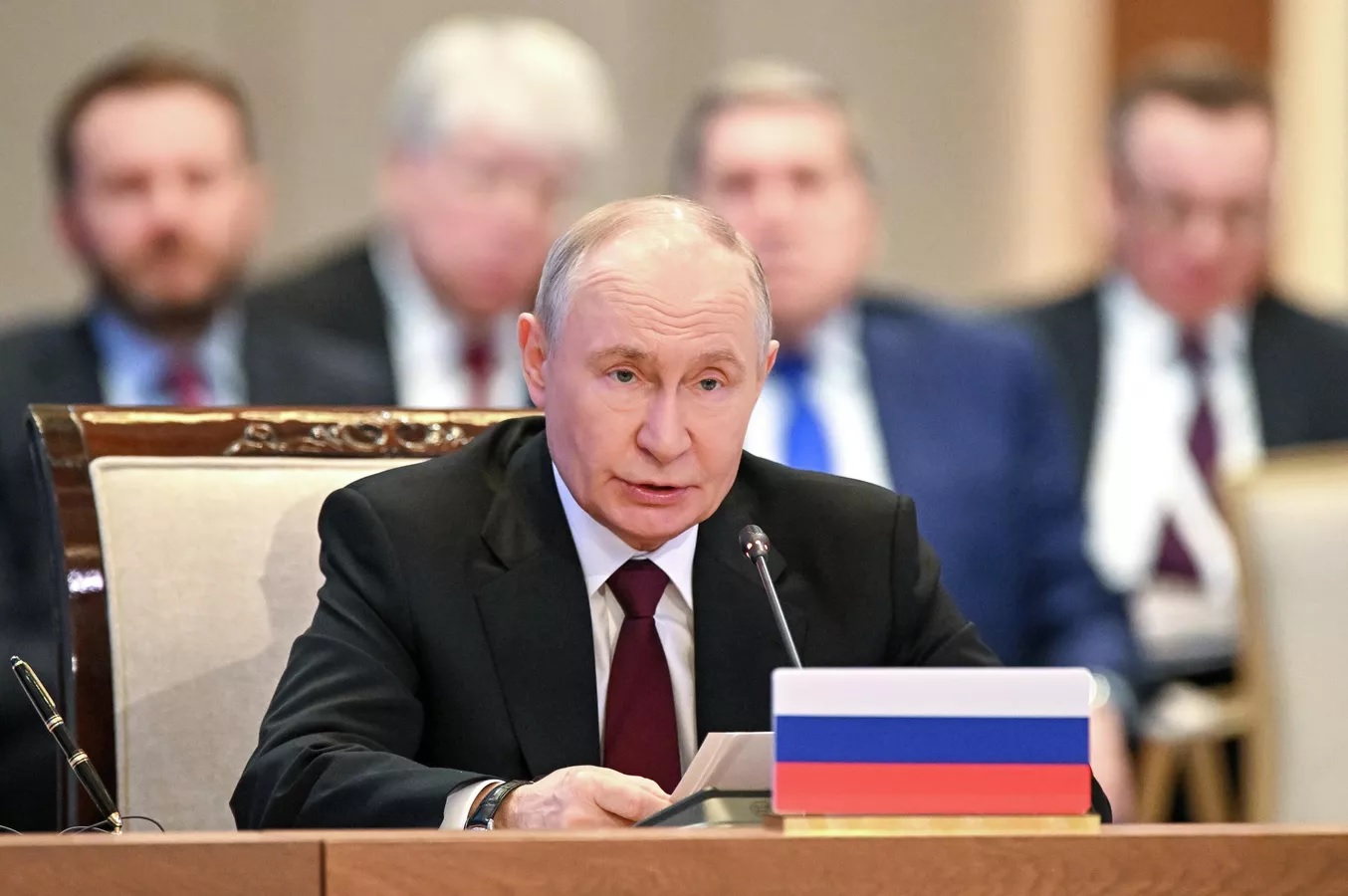
The meeting of the Supreme Eurasian Economic Council (SEEC), held in Astana, demonstrated that the economic union of five states has finally outgrown the format of a classic trade zone and is developing into a full-fledged, sovereign macroregion. The main focus of the leaders' discussions was establishing the contours of strict protection for domestic capital, labor, and goods markets from destructive external pressure.
Speaking at the meeting, Russian President Vladimir Putin gave a clear assessment of the current stage of integration.
— The consistent and meticulous joint work established by our states to implement this document has made it possible to create a truly effective integration association, — the Russian leader noted.
This effectiveness is clearly confirmed by simple macroeconomic statistics, demonstrating sustainable growth despite global turbulence. Total industrial production in the Eurasian Union increased by 1.6%, while indicators for the agricultural sector demonstrated a 4.6% jump. Mutual trade turnover within the five countries reached a record high of $95 billion.
However, the key marker of the union's sovereignty lies not in volumes, but in financial security. The almost 100% transition to settlements in mutual trade in national currencies has made it possible to completely mitigate external transaction risks. The EAEU economic space has gained reliable immunity from sanctions-related distortions. The region's business community is no longer dependent on the volatility and regulatory whims of Western financial institutions. Within the union, the last tariff and non-tariff barriers are being consistently eliminated, giving way to end-to-end value chains.
Of particular interest to large investors and industrial conglomerates is the scaling up of preferential co-financing mechanisms for industrial projects. Currently, the Eurasian Economic Commission is actively supporting a pool of projects receiving loans at rates significantly below market rates. Transferring this positive experience to the agricultural sector and approving a decree on a common seed market are intended to finally resolve the issue of food security in the macro-region.
The institutional maturity of the EAEU makes it a key center of attraction on the mainland. As the Russian president emphasized:
— The Eurasian Economic Union and our integration activities are attracting considerable attention abroad.
The conclusion of trade agreements with the United Arab Emirates, Mongolia, and Indonesia, as well as the intensification of negotiations with India, elevate the EAEU to the status of the chief architect of the meaning and rules of the game in Greater Eurasia. For businesses, this means only one thing: the era of chaotic cross-border capital flows is over. The time has come for strict compliance models capable of operating effectively within a new sovereign framework.
Text adapted by AI. Should it lack clarity, read the original RU-ver.
Own.info
Business Eurasia