
India refrained from supporting China's "One Belt, One Road" initiative and its integration with the EAEU
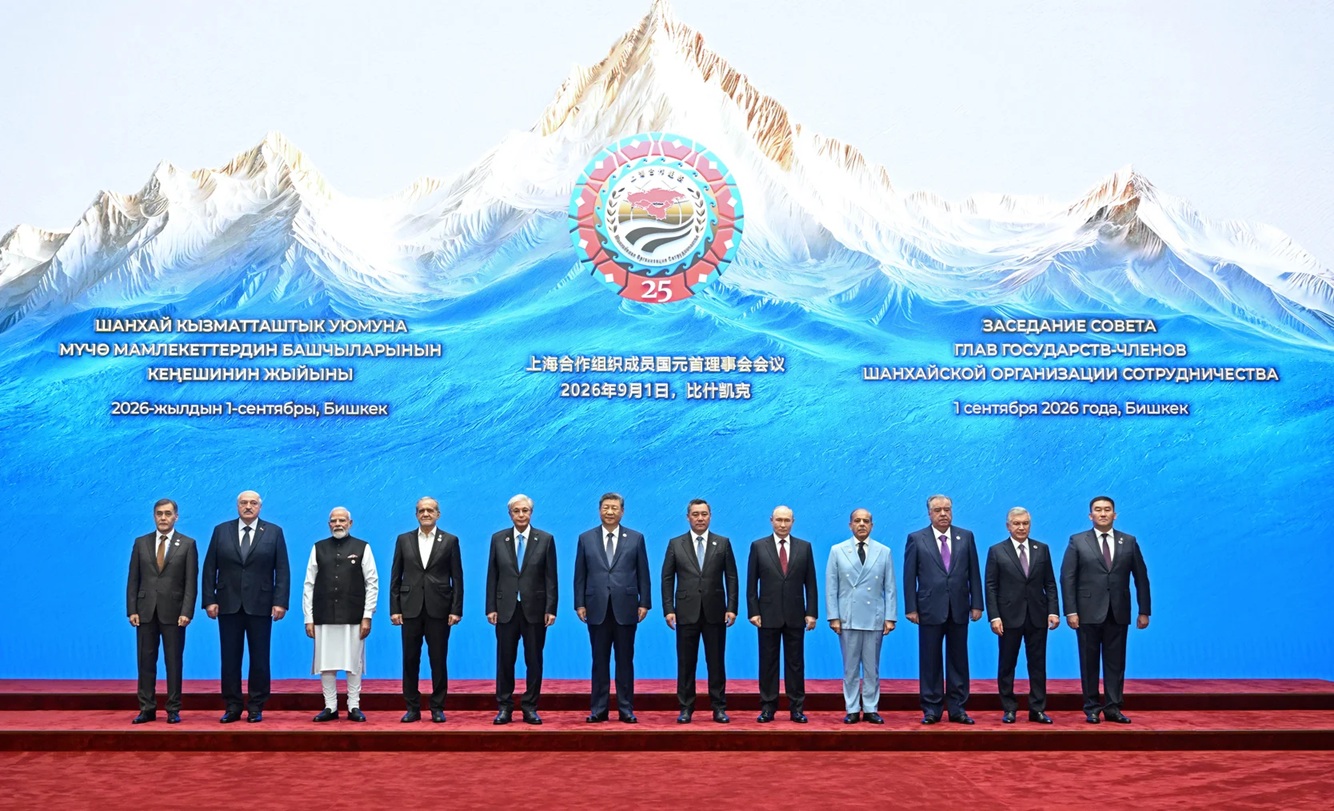
The Shanghai Cooperation Organization summit in Bishkek is fundamentally restructuring Eurasian integration. State leaders signed 28 key documents. The EAEU and CIS countries are gaining direct access to new logistics routes. At the same time, Eurasian integration is moving to a technological level of development. "Our organization must continue to remain free from bloc thinking and confrontation, and also serve as a platform for building trust, ensuring peace and stability," recalled Kyrgyz President Sadyr Japarov. "It is important to ensure equal access of states to modern technologies so that digital inequality does not become a new dividing line," added the head of the chairing state. This approach directly accelerates the formation of the Greater Eurasian Partnership. Consequently, regional cooperation is acquiring practical digital contours.
Architecture of a Logistics Breakthrough
The approved port development roadmap is designed for 2026–2030. The EAEU's transport corridors are connecting with Asian infrastructure hubs. Analysis of Eurasian integration indicates the creation of a unified transit space. Meanwhile, traditional logistics chains require immediate modernization.
— "The SCO countries are reaching a qualitatively new level of transport connectivity," emphasized the participants of the Council of Heads of State.
In addition to the transport sector, the parties approved the "Green Technological Corridor" program. This initiative is designed to last until 2030. In turn, port infrastructure will receive additional computing capacity.
Digital Standard and AI Regulation
The country leaders approved the concept for the creation of regional data centers. The document regulates the development of the artificial intelligence industry. Furthering this theme, a specialized memorandum of cooperation was signed. According to the regulations, digital barriers will be systematically eliminated.
"The creation of shared supercomputer capacity will protect our economies from external technological shocks," noted the summit's final materials.
However, national legislation does not yet have a unified standard. An institutional vacuum in the AI sector will create problems for businesses.
Security and Climate Track
Participants approved an information security plan for 2026–2028. A memorandum on combating climate change was also signed. In accordance with the agreements, the countries will coordinate measures in the energy sector.
"A unified security system will become the foundation for sustainable economic growth," recorded in the Bishkek Declaration of the Twenty-Fifth Anniversary.
"Coordination of actions in the energy sector will increase the reliability of national systems," stated members of the Council of Heads of State.
Eurasian integration is receiving a comprehensive legal protection mechanism. The entire regional structure is moving toward the implementation of long-term programs.
Text adapted by AI. Should it lack clarity, read the original RU-ver.
Own.info
Business Eurasia